



Best Overall

- Best-in-class reasoning and writing
- Strong ecosystem and integrations
- Advanced multimodal capabilities
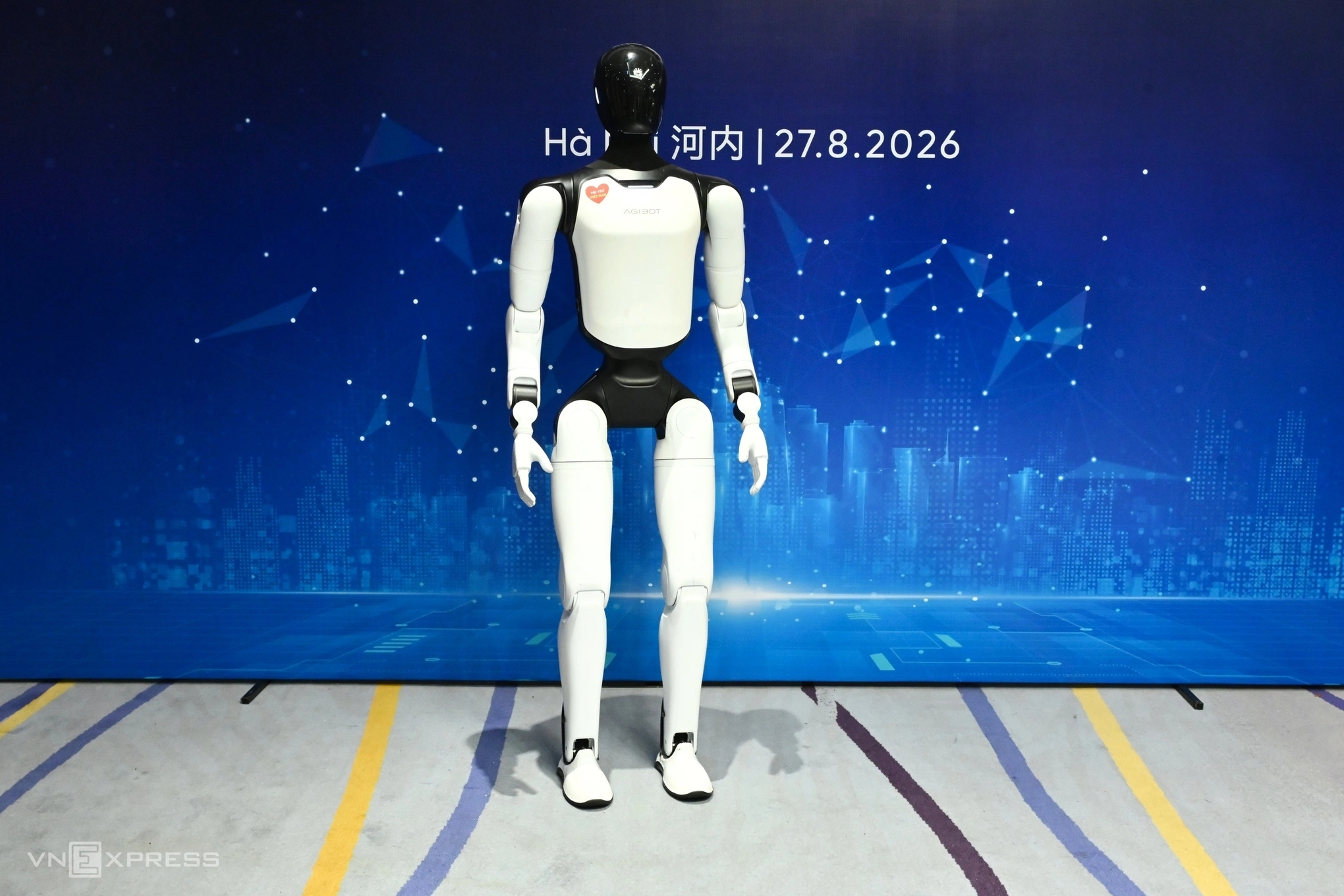
Hanoi — Chinese companies have proposed cooperation with Vietnam on data centers, computing infrastructure, as well as AI applications and use cases.
 By Alex Rowland
 AI search startup Perplexity has signed a $750 million contract with Microsoft to use its Azure cloud services, Bloomberg reports, citing people familiar with the matter. The three-year deal gives Perplexity access to a range of AI models through Microsoft’s Foundry program, including systems from OpenAI, Anthropic, and xAI
 By Chris Borden
 Apple has acquired Israeli startup Q.ai, which develops technology for reading facial movements and interpreting silent or near-silent communication, Bloomberg reports, according to AI Wire Media.
 By Daniel Mercer
 Sora, OpenAI’s AI video generator, is losing momentum after a rapid early surge. According to Appfigures, both downloads and overall popularity are declining.
 By Chris Borden
 Video hosting platform YouTube has removed several channels featuring AI-generated content, including some of the segment’s largest players, The Verge reports.
 By Chris Borden
 Google DeepMind has made Project Genie publicly accessible. The experimental prototype, based on the world model Genie 3 unveiled in August, is now available to Google AI Ultra subscribers in the US (18+). The web app lets users generate interactive worlds from text or images and explore them in real time, with the system generating what lies ahead as you move.
 By Chris Borden
 OpenAI is reportedly discontinuing the “ChatGPT Agent” introduced about six months ago — a product that never really made much sense to begin with. According to The Information, the tool peaked at launch with four million weekly active paying users, representing about 11% of the 35 million paying users at the time. Just a few months later, usage fell below one million. Users apparently did not understand what to do with the product, struggled to find it, or were discouraged by issues related to speed, reliability, and cybersecurity.
 By Chris Borden
 Microsoft’s massive bet on AI is consuming billions, but the return on investment remains unclear — and the stock market is reacting accordingly.
 By Chris Borden
 In September, Google announced the “biggest Chrome update” and teased an agentic browser assistant. Now the company is delivering. Auto Browse, powered by Gemini 3, is designed to autonomously complete multi-step tasks across the web.
 By Chris Borden
 OpenAI plans to integrate its upcoming social network with Sam Altman’s World project to combat bots, Forbes reports, citing sources.


 ES
ES  EN
EN