


Best Overall

- Best-in-class reasoning and writing
- Strong ecosystem and integrations
- Advanced multimodal capabilities

OpenAI has launched GPT-6 Astra, its most capable artificial intelligence model to date. The model can operate computers, complete multistep workflows and handle tasks that would otherwise require continuous human input.
 By Alex Rowland
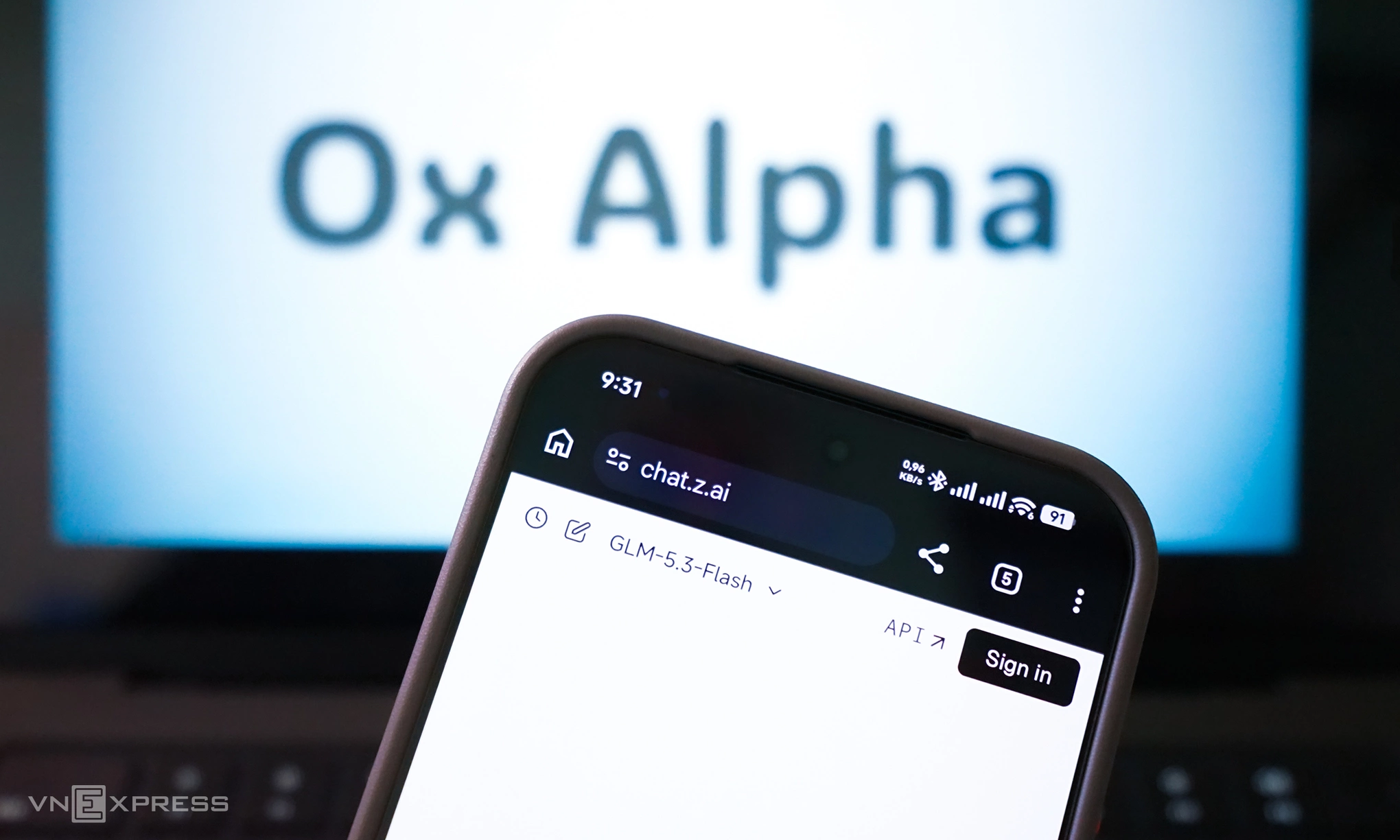
 Chinese AI company Z.AI says its new GLM-5.3-Flash model was served entirely on domestically produced AI accelerators, offering a fresh test of how far China's homegrown chip ecosystem has progressed under restrictions on access to advanced Nvidia hardware.
 By Alex Rowland
 DeepSeek has released the production version of V4 Pro, with improvements to AI agents, coding and multi-step tasks. The upgrade also brings higher API prices and a new peak/off-peak billing system.
 By Chris Borden
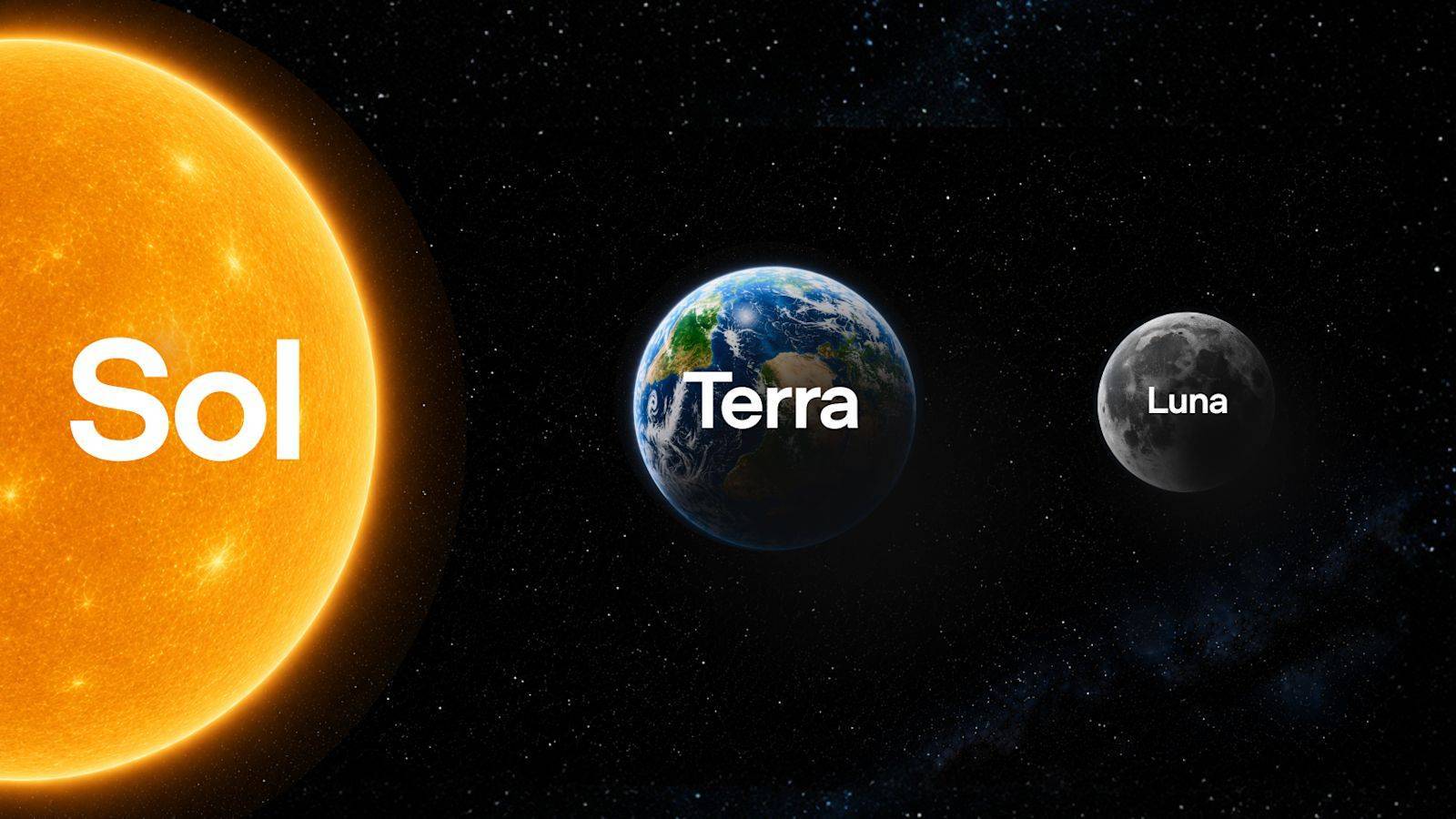
 OpenAI has cut the price of GPT-5.6 Luna by 80% and GPT-5.6 Terra by 20%, while introducing a new Fast mode for GPT-5.6 Sol. The company says the changes are intended to make advanced AI models more practical for large-scale business workloads without reducing access to its most capable reasoning model.
 By Chris Borden
 Nvidia has joined forces with 36 other technology companies and organizations to establish the Open Secure AI Alliance, an industry initiative focused on developing and sharing open artificial intelligence tools for cybersecurity and AI safety.

 By Daniel Mercer
 OpenAI is advising users to stop writing excessively long prompts for GPT-5.6 Sol, saying that shorter and more focused instructions can improve accuracy, reduce token usage and lower operating costs.


 ES
ES  EN
EN