




Best Overall

- Best-in-class reasoning and writing
- Strong ecosystem and integrations
- Advanced multimodal capabilities
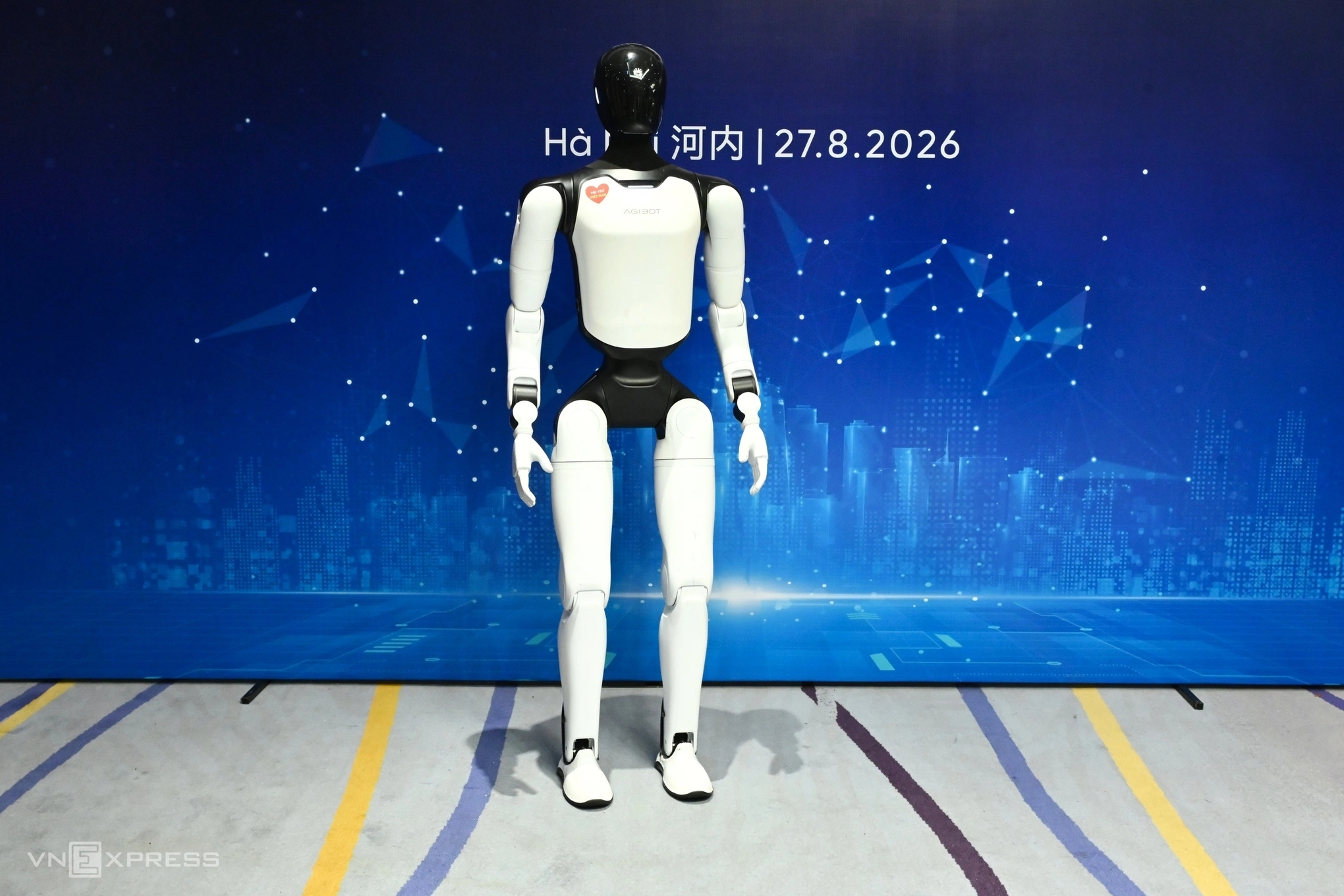
Hanoi — Chinese companies have proposed cooperation with Vietnam on data centers, computing infrastructure, as well as AI applications and use cases.
 By Alex Rowland
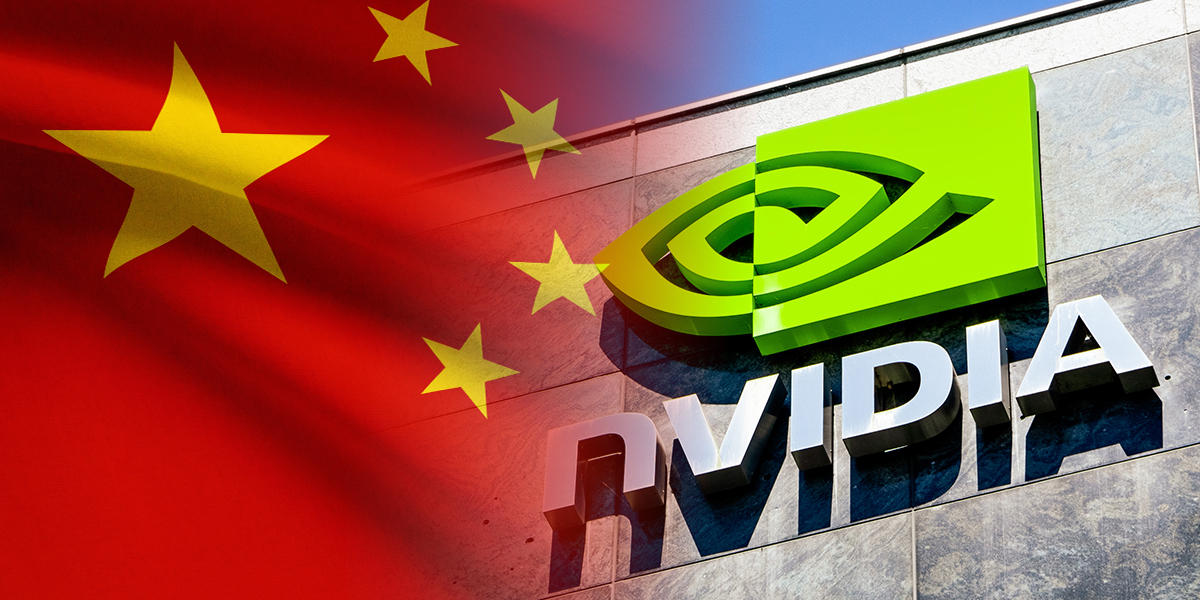
 China has granted ByteDance, Alibaba, and Tencent approval to purchase Nvidia’s H200 AI chips, Reuters reports, citing four sources familiar with the matter. The three tech giants are authorized to import more than 400,000 H200 chips in total, while additional companies remain on a waiting list for potential future approvals.
 By Chris Borden
 AI startup Decart has unveiled Lucy 2.0, a real-time video transformation model capable of modifying live video streams at 30 frames per second in 1080p resolution with near-zero latency. The system enables character swaps, product placements, clothing changes, and full environment transformations — all controlled via text prompts and reference images while the video is still running.
 By Chris Borden
 OpenAI Introduces Prism, a Free AI Workspace for Scientific Writing. OpenAI has unveiled Prism, a free AI-powered workspace designed for scientific writing. The tool runs on GPT-5.2 and combines a LaTeX editor, reference management, and an AI assistant into a single cloud-based environment. Researchers can create an unlimited number of projects and invite collaborators.

 By Daniel Mercer
 An upgrade known as ERC-8004 is planned for the Ethereum mainnet, enabling AI agents to interact directly with organizations.
 By Chris Borden
 The race to dethrone smartphones from their dominant position has already begun. Some companies are developing alternative AI-powered devices, The Economist reports.
 By Alex Rowland
 Qwen-3 from Alibaba Cloud becomes the world’s first AI model deployed and running in orbit, SCMP reports.
 By Alex Rowland
 Bloomberg reveals the backstory behind Apple’s pivot to Google Gemini: internal emergency meetings, a manager calling the report “bullshit” without convincing anyone, and billion-dollar negotiations that collapsed.
 By Alex Rowland
 OpenAI’s API business is growing rapidly, according to CEO Sam Altman. In the past month alone, the company added more than $1 billion in annual recurring revenue (ARR).
 By Chris Borden
 At the moment, Atlas works only on Macs powered by Apple Silicon processors.


 ES
ES  EN
EN