


Best Overall

- Best-in-class reasoning and writing
- Strong ecosystem and integrations
- Advanced multimodal capabilities

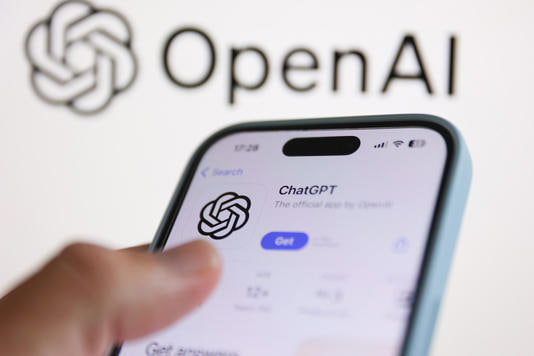
OpenAI has launched GPT-6 Astra, its most capable artificial intelligence model to date. The model can operate computers, complete multistep workflows and handle tasks that would otherwise require continuous human input.
 By Daniel Mercer
 Claude saw massive growth over the last month, but it is still relatively small overall. That is according to current Similarweb data on the traffic share of generative AI services. Between February and March, Claude nearly tripled its share from about 2.2% to 6.02%, overtaking both DeepSeek and Grok.
 By Chris Borden
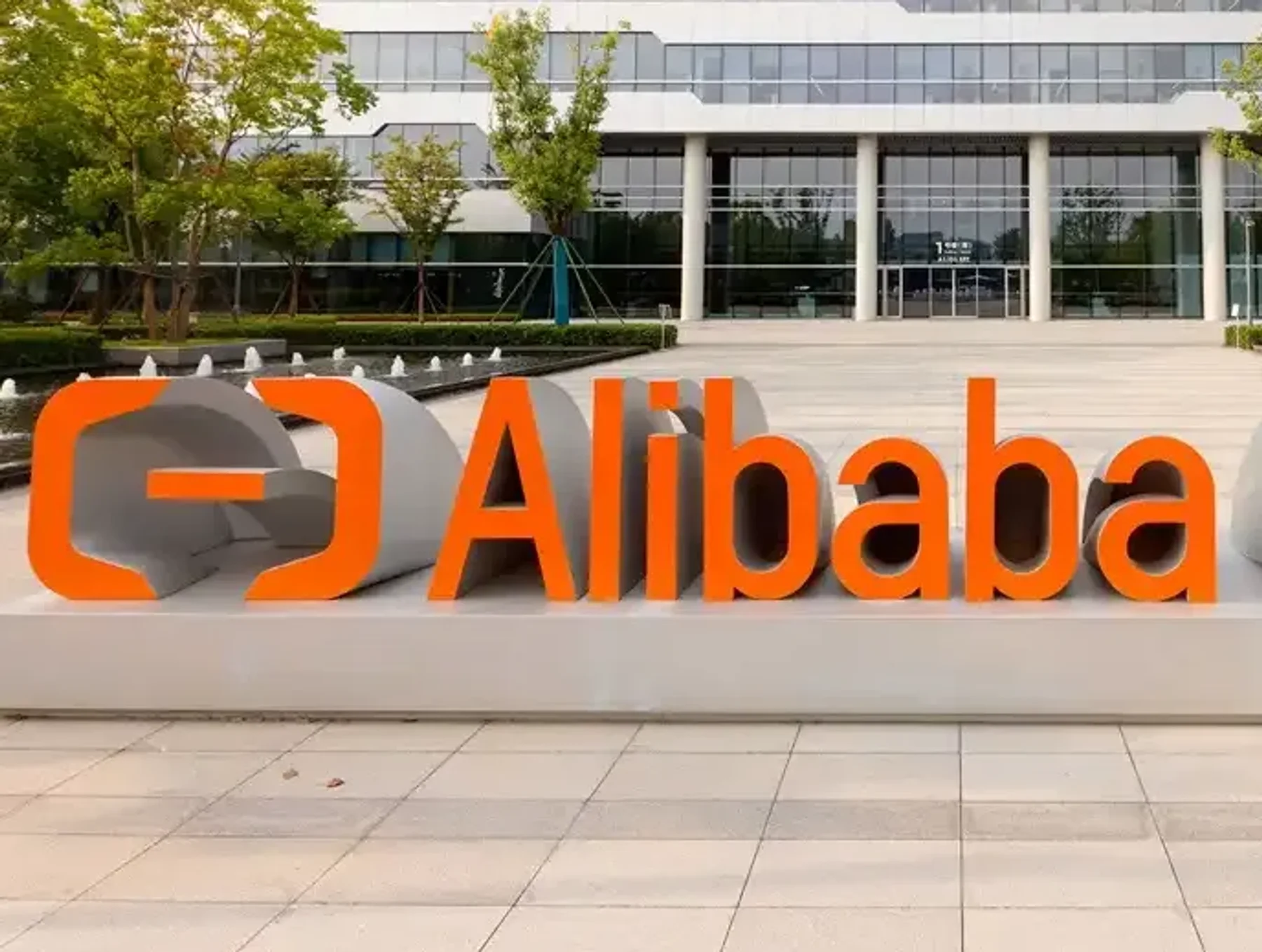
 Alibaba has released a new open AI model called Qwen3.6-35B-A3B. The model uses a Mixture-of-Experts architecture, meaning that out of its 35 billion parameters, only around 3 billion are activated at any given time. This reduces computing costs while, according to Alibaba, maintaining a high level of quality.
 By Daniel Mercer
 Google shared the following statement from Search product VP Robby Stein:
 By Alex Rowland
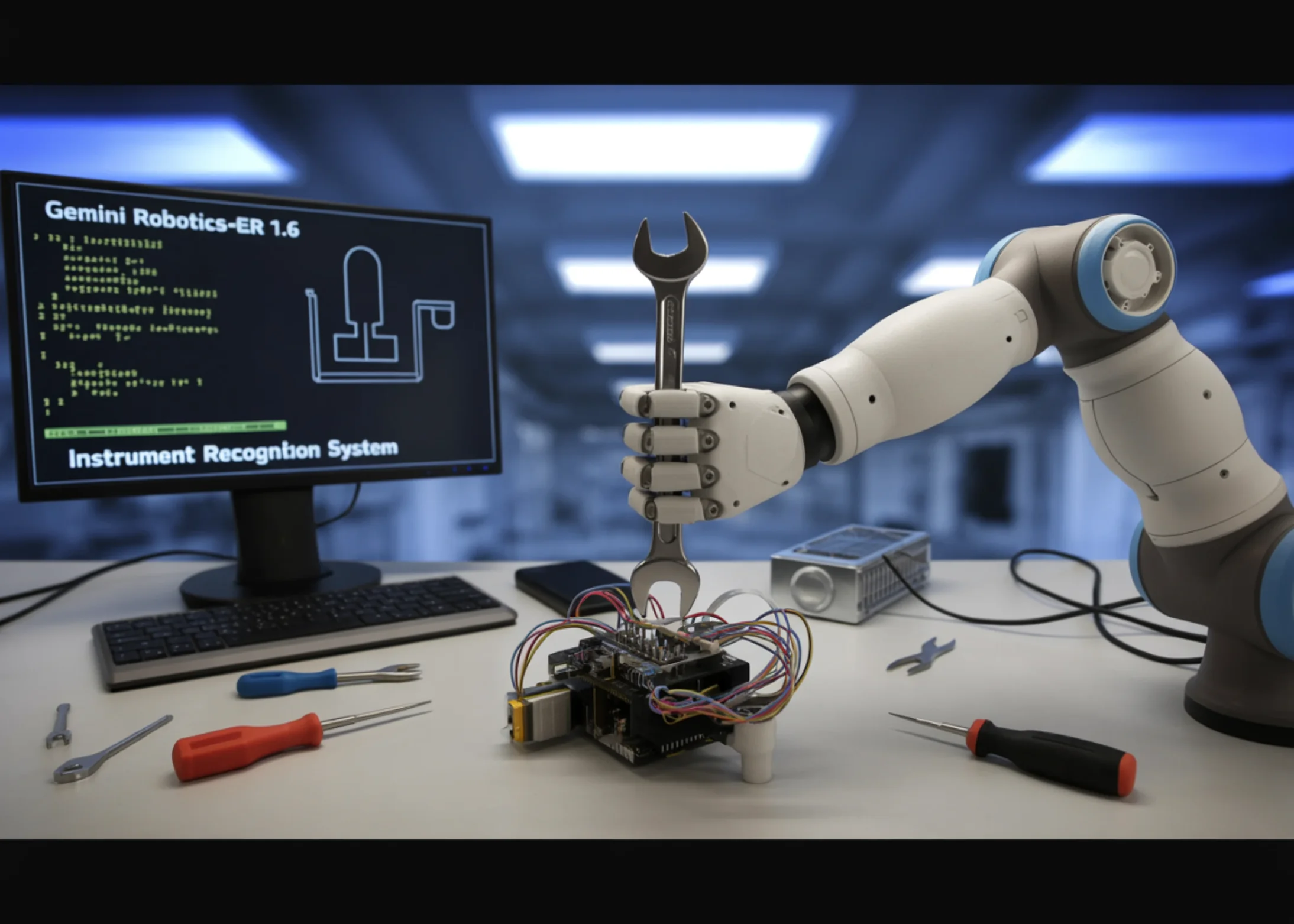
 Google DeepMind has introduced Gemini Robotics-ER 1.6, an upgraded embodied reasoning model designed to help robots understand physical environments more accurately, plan tasks more independently, and use external tools when needed.
 By Chris Borden
 OpenAI has introduced GPT-5.4-Cyber, a model specifically tuned for defensive cybersecurity workflows. For now, access is limited to verified security professionals.
 By Daniel Mercer
 OpenAI’s GPT-5.4 Pro model has reportedly solved the open mathematics problem Erdős #1196. According to the claim, the model found a solution in about 80 minutes and then spent another 30 minutes turning it into a LaTeX paper. Formal verification is still underway.
 By Daniel Mercer
 Microsoft is expanding Copilot in Word with new features aimed at professionals in legal, finance, and compliance workflows. According to the company, the update is designed to make AI-assisted document editing more transparent, reviewable, and easier to manage in regulated environments.
 By Chris Borden
 Anthropic is reportedly preparing to launch a new model and a design tool that could compete with Adobe and Figma, while investors are simultaneously pushing the company’s valuation sharply higher.
 By Alex Rowland
 Google is rolling out its new text-to-speech model based on Gemini 3.1 Flash. According to Google, it delivers the company’s most natural and expressive speech synthesis so far. A key new feature is so-called audio tags, which let developers control speaking style, pace, tone, and accent through text prompts. The model supports more than 70 languages and can generate multi-speaker dialogues.


 ES
ES  EN
EN