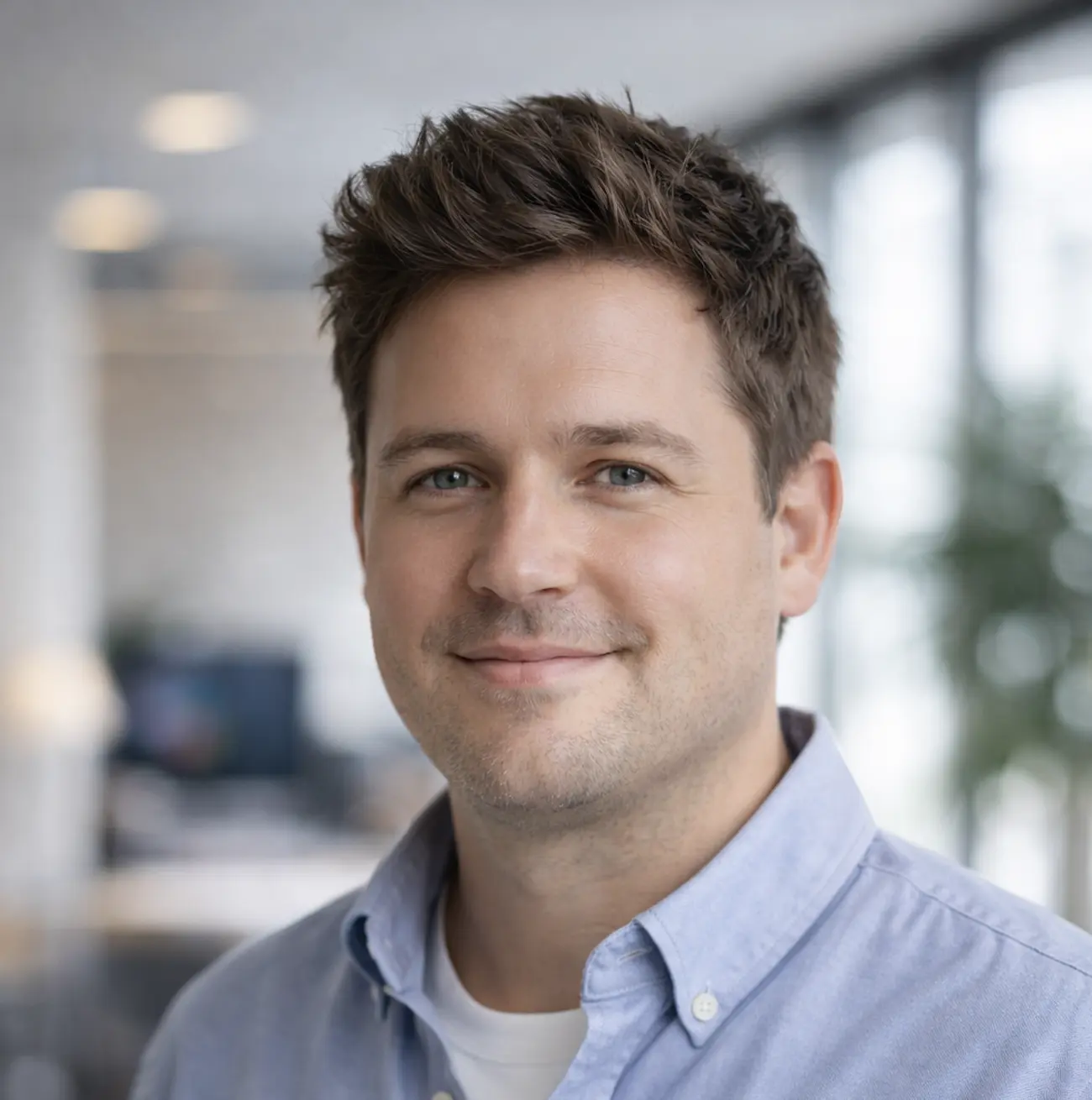
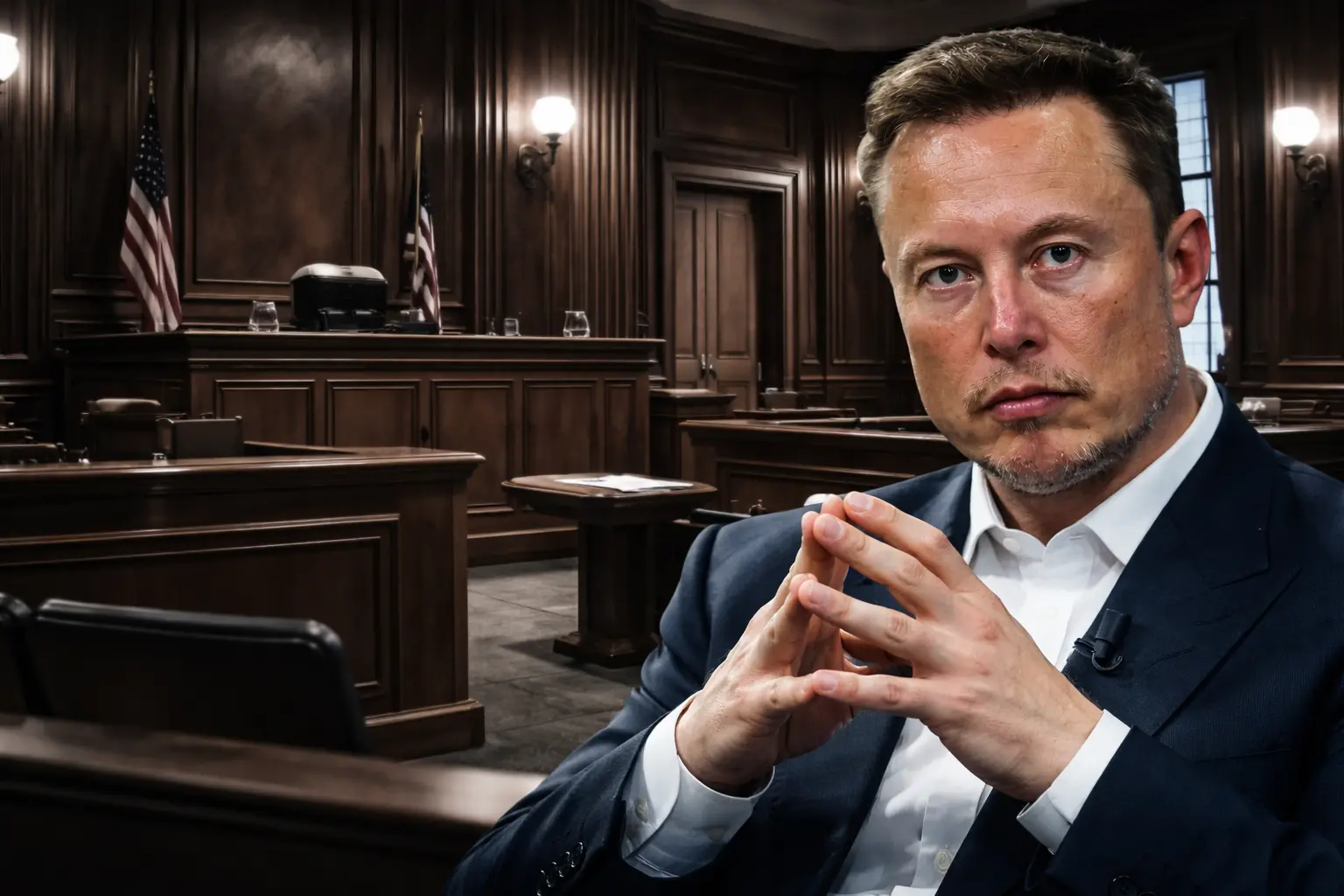
In his farewell post, Ba wrote that xAI’s mission is to advance humanity along the Kardashev technology scale. He predicted that recursive self-improvement loops—AI systems capable of improving themselves—could become active within the next twelve months. According to Ba, 2026 may be the most consequential year for the future of humanity. Despite expressing optimism about xAI’s trajectory, he said he now intends to step back and focus on the “bigger picture.”
With Ba’s departure, six of xAI’s original twelve founding members have now left the company—half of its core team. Previous departures include Igor Babuschkin (formerly of DeepMind and OpenAI), Yuhuai “Tony” Wu (formerly of Google and Stanford), Kyle Kosier (formerly of OpenAI), Greg Yang (formerly of Microsoft Research), and Christian Szegedy (formerly of Google).
On February 10, 2026, it was also reported that Tony Wu had resigned. Wu, who joined xAI from Google in 2023, was responsible for foundational model development and reasoning systems, reporting directly to Musk.
Babuschkin had already left xAI in August 2025 to launch his own AI safety fund. His exit followed controversies surrounding xAI’s chatbot Grok, which drew criticism for extremist outputs. Wu’s departure comes after further reputational issues, including the platform allowing the generation of deepfake explicit images for weeks before intervening under regulatory pressure. However, Wu publicly thanked Musk for his support, and there is no indication that the controversies directly caused his resignation.
These exits coincide with a broader restructuring. SpaceX recently announced plans to acquire xAI in a deal reportedly valuing SpaceX at $1 trillion and xAI at $250 billion. The move likely reflects xAI’s limited revenue generation despite the high costs of developing and operating large-scale AI models. Without significant commercial progress, questions remain about xAI’s long-term strategic positioning.
 ES
ES  EN
EN