
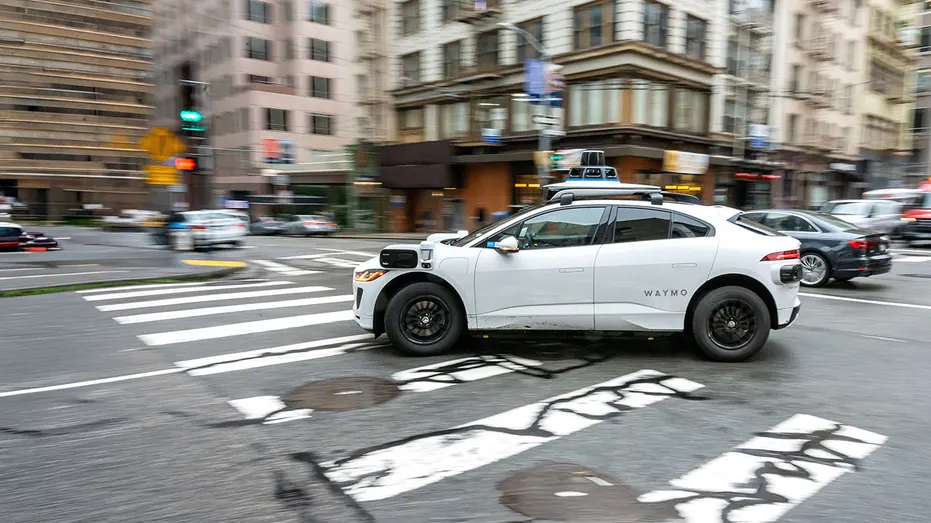
The voluntary recall affects cars equipped with Waymo’s fifth- and sixth-generation self-driving systems. According to the regulator, the problem was linked to how the vehicles reacted to flooded road sections that were not safe to pass.
The incident drew attention after cameras in Austin showed multiple Waymo cars entering a waterlogged street and then stalling. The blocked vehicles disrupted traffic, and one empty robotaxi was reportedly carried into a nearby creek.
Waymo said it has developed software changes to help its autonomous fleet better identify and respond to impassable flooded lanes.
“Waymo provides more than half a million rides per week in some of the most challenging driving environments across the United States, and safety is our top priority,” the company said.
The company is also adding extra safeguards for severe weather. These include tools that can reduce risk by limiting where robotaxis operate when road conditions become dangerous.
Robotaxi reliability remains under scrutiny
The Austin flooding incident is not the only case raising questions about autonomous taxi performance in unpredictable real-world conditions.
Waymo vehicles have previously faced criticism in Austin for not yielding properly to school buses. In San Francisco, some of the company’s cars were also reported to have become stuck during a large power outage.
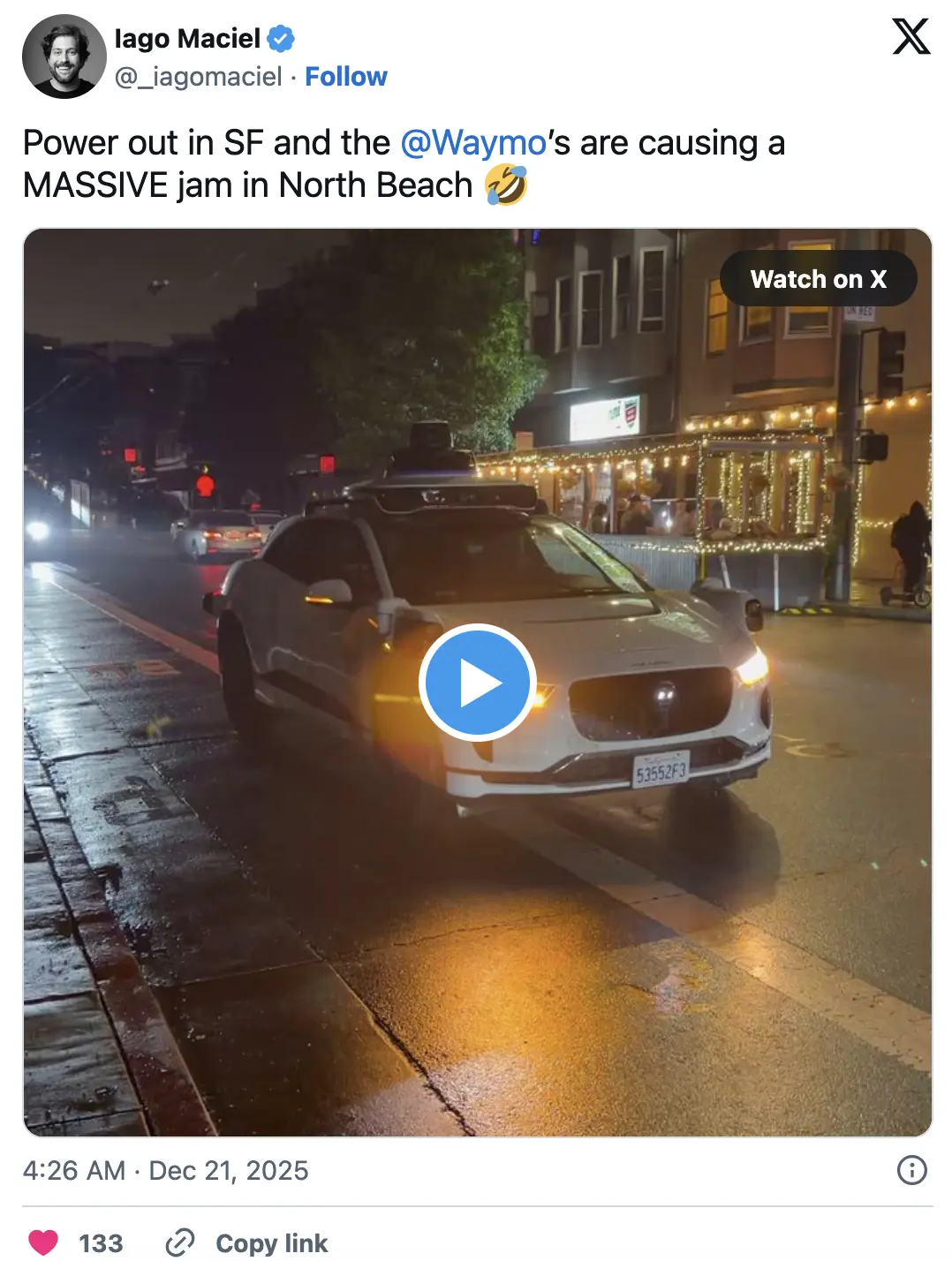
Drivers and pedestrians have posted videos showing robotaxis stopped with hazard lights on, sometimes in groups, blocking lanes and slowing traffic.
Waymo currently operates commercial robotaxi services in 11 US markets, including San Francisco, Los Angeles, Phoenix, Austin, and Miami.
The recall shows that even advanced robotaxi systems can struggle with unusual real-world conditions such as flooded roads and extreme weather. Waymo’s software update may reduce similar risks, but the incident highlights why autonomous fleets still need strict safety monitoring, clear operating limits, and fast regulatory oversight.
 ES
ES  EN
EN